Your roof protects everything inside your home — but most roofing issues start small and slowly get worse over time. The earlier you spot a problem, the cheaper and easier it is to fix. Leaving a damaged roof untreated can lead to leaks, structural issues, mould, ruined insulation and even internal ceiling collapse.
Here are the most common warning signs that your roof needs professional attention before the damage becomes expensive.
1. Water Stains on Ceilings or Walls
One of the first signs of roof trouble is the appearance of water marks on your ceiling or upper walls. These often show up as brown or yellow patches, damp streaks or areas where paint starts bubbling or flaking. Even if the mark seems small, it usually means water is already finding its way through the roof covering and into the home. Water rarely travels straight down — it can run across rafters, insulation and boards before showing up inside, meaning the leak could be bigger than it looks.
Ignoring these stains usually leads to larger leaks, mould growth, and eventually damaged plaster or weakened ceilings. If you notice fresh marks after rain, a professional inspection is essential.
2. Missing, Loose or Broken Roof Tiles
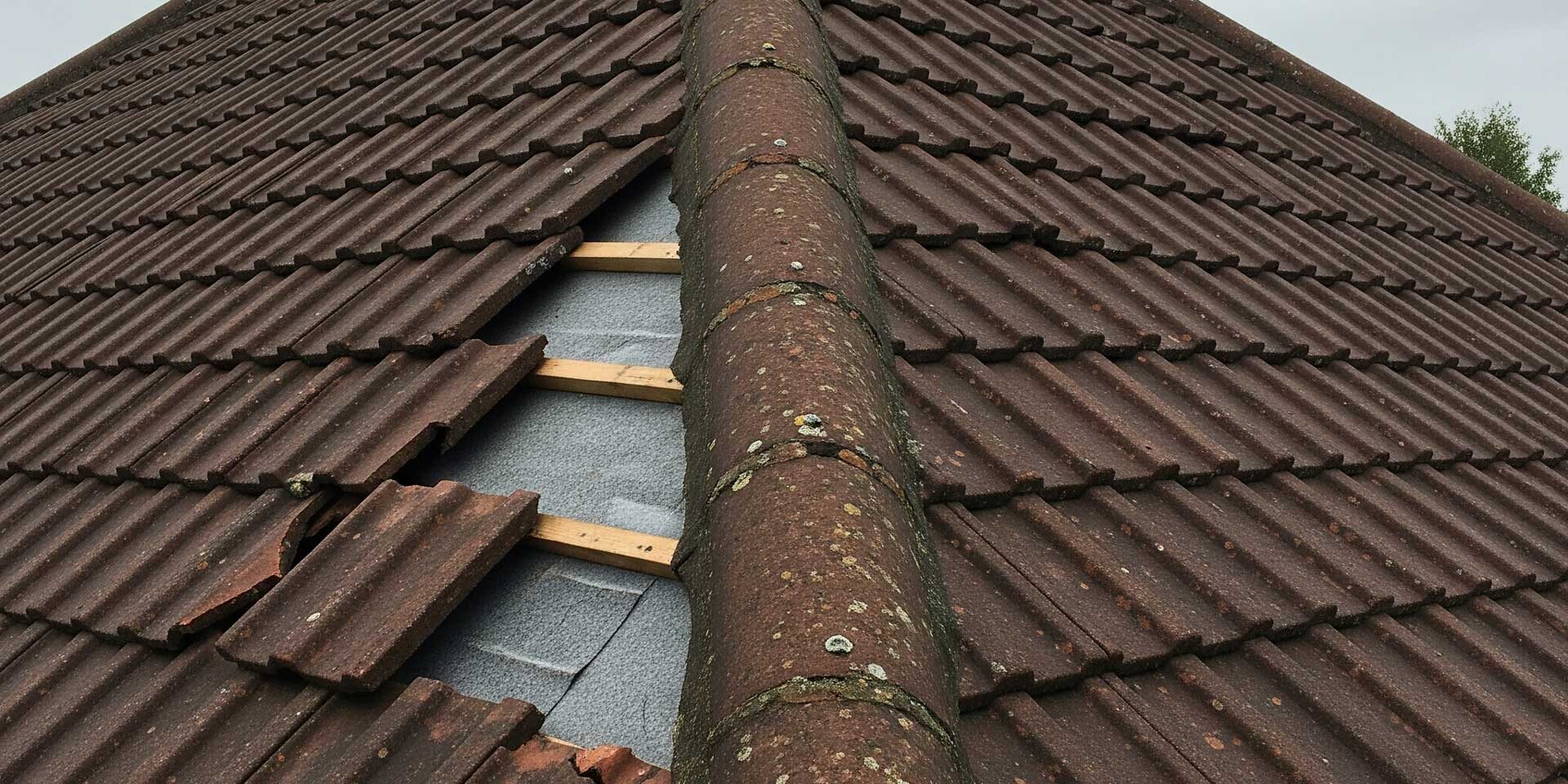
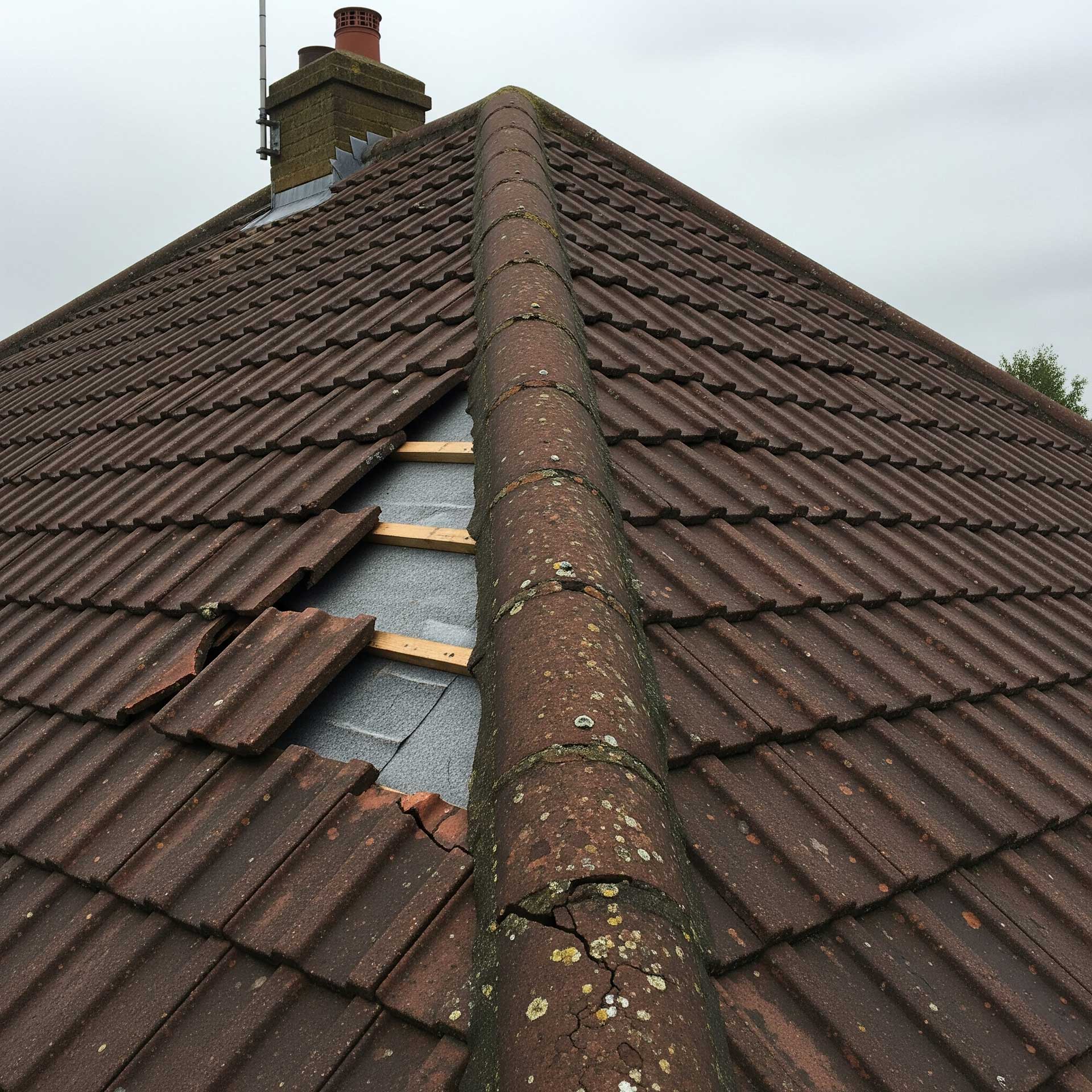
Tile roofs are strong, but Essex weather — especially strong coastal winds and heavy rain — can loosen or break tiles over time. A single missing tile can allow water to get underneath the surrounding tiles, soaking the felt and timbers beneath. From the ground, you may notice areas where the roof looks uneven, darker, or where an entire tile appears to be missing.
Broken tiles can be just as dangerous, as cracks allow water to seep into the roof structure every time it rains. Many homeowners don’t notice missing tiles until a leak appears inside, but by then the damage is already spreading. Regularly checking your roof after storms can help catch problems early.
3. Ponding Water on Flat Roofs
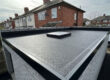
Flat roofs are very common on extensions, garages and porches across Essex, and one of the biggest warning signs of trouble is “ponding” — where water collects in a dip and does not drain away. If water is still sitting on the roof 48 hours after rainfall, it usually means the surface or structure is starting to fail.
Long-term ponding can cause the roof membrane to blister, crack or warp. Water can then seep through these weak spots into the layers below, eventually showing up as leaks inside the property. In colder months, ponded water can freeze and expand, making the problem even worse. Addressing ponding early can prevent a full flat-roof replacement later.
4. Moss, Mould or Thick Algae Growth
A small amount of moss on a roof is normal, especially in shaded or damp areas, but heavy moss growth is a clear sign that moisture is being trapped. Moss has roots that grow under tiles, lifting them slightly and creating small gaps. Over time these gaps allow water to flow into the roof instead of off it.
On flat roofs, the presence of moss or algae is often a sign that moisture is being trapped beneath the surface — usually due to a failing membrane or poor drainage. Excessive growth can also add unnecessary weight to the roof and cause premature ageing of roofing materials. Regular cleaning and preventative maintenance can stop this from becoming a major issue.
5. Sagging Roof Deck or an Uneven Roofline
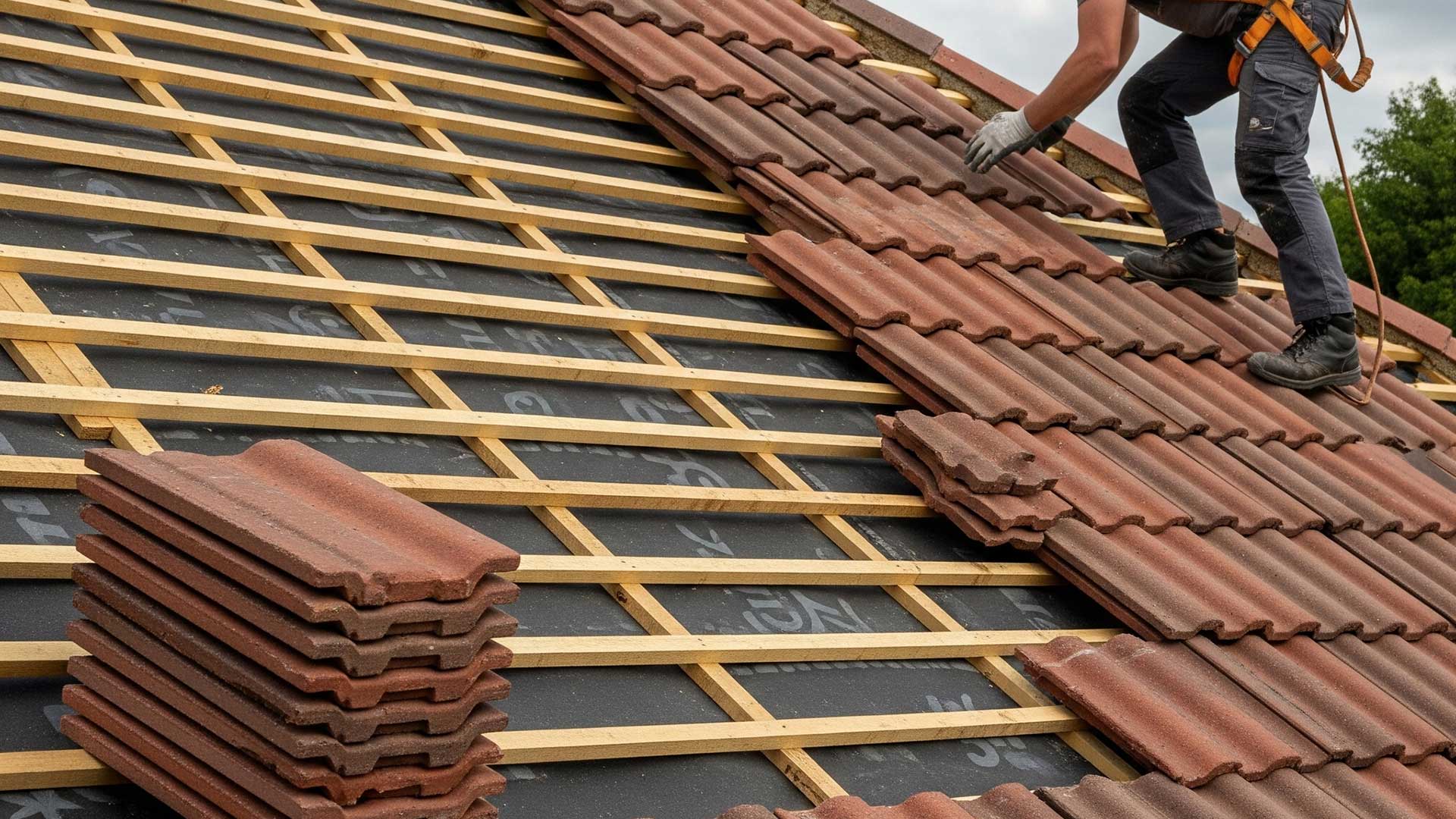
A roof that begins to dip, bow or sag indicates a serious underlying structural problem. This usually happens when the timbers that support the roof have become weakened by long-term moisture exposure, rot, or excessive weight (such as heavy moss or several layers of old roofing).
Sagging may appear as a slight dip from the outside, but inside you might also notice uneven ceilings or cracks around the top of walls. This issue needs professional attention as soon as possible — sagging roofs rarely stabilise on their own, and the longer it is left, the more costly the repairs become.
6. Roofing Debris or Granules in the Gutters
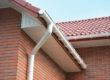
If you find broken tile pieces, fine gravel-like granules, or other roofing debris in your gutters, it’s a sign that your roof materials are deteriorating. These materials wash down during rainfall and collect in the gutter system.
Tile roofs may shed small fragments when they begin to weather or crack. Felt or older flat-roof coverings may break down over time and release loose material. These signs often appear before leaks become visible, so checking your gutters during cleaning can give you an early warning that your roof surface is wearing out.
7. A Sudden Increase in Energy Bills
If your roof is damaged, poorly ventilated, or allowing moisture into the insulation, your home may lose heat much more quickly than usual. You might notice your heating running more often or your energy bills creeping up without any obvious reason.
Damp insulation loses its effectiveness, meaning warm air escapes and cold air enters more easily. Roof ventilation issues can also trap warm, moist air in your loft, leading to condensation, mould and structural damage. Rising bills combined with other symptoms are a strong indicator that part of the roof system needs attention.
When Should You Call a Roofer?
If you’ve noticed any of the warning signs above, even small ones, it’s best to have the roof inspected sooner rather than later. Early repairs protect your home, prevent long-term damage, and can save thousands in future costs.
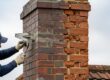
At All Seasons Roofers, we provide flat roof repairs, tile repairs, chimney work, guttering and full roof inspections across Essex. Getting the roof checked early is always the safest and most cost-effective option. Get in touch today.